 By Dr Pallavi Krishnamoorthi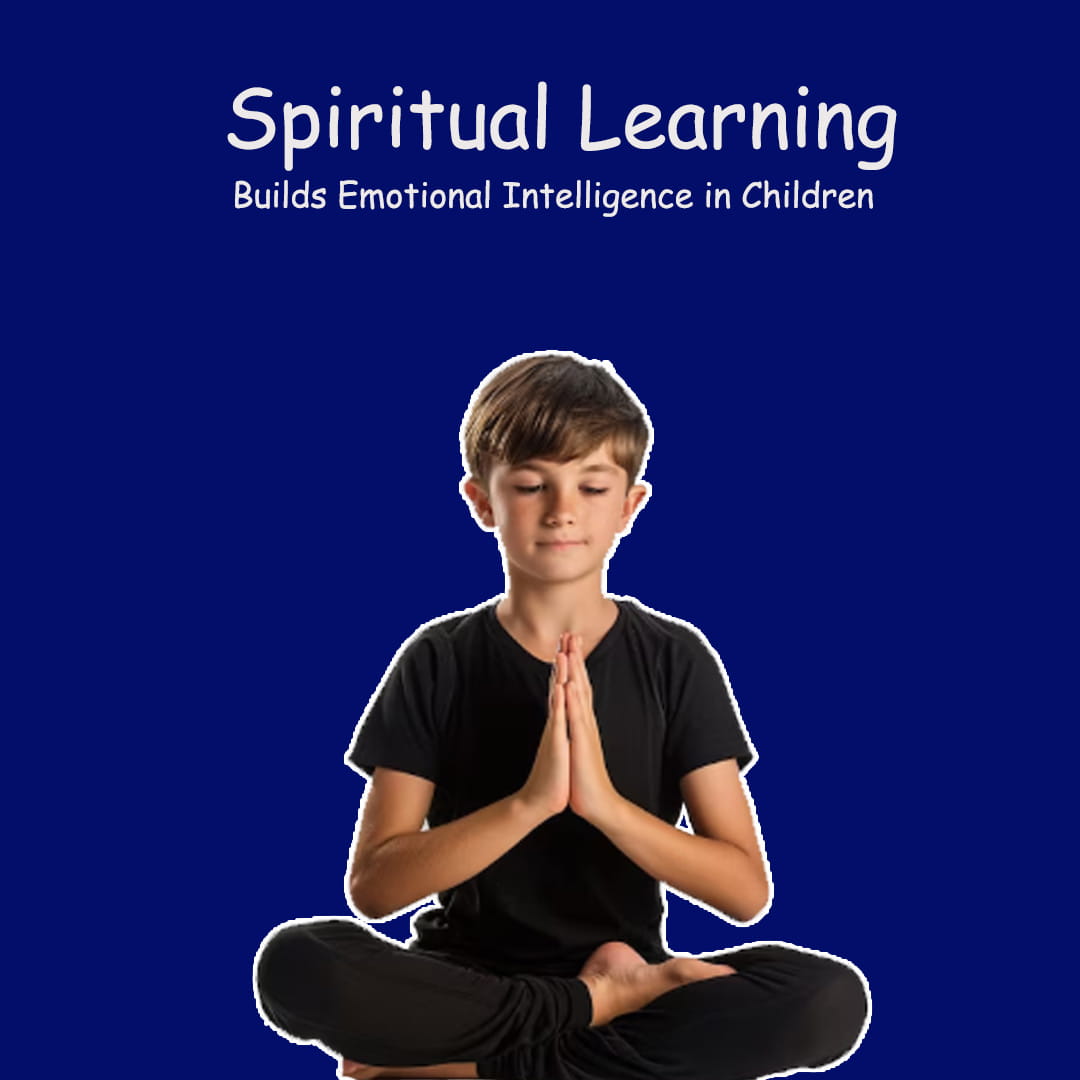
There was this child named Aarav in my class. Brilliant at solving math problems. Any tough question that I would give, he would solve in seconds. The other day, when I entered his class for a math session, the whole class was not yet back from a sports session. Slowly, children started entering the class, tired but happy after their sports class. Aarav entered the class crying and angry. Why? Because his football team had lost the match. He would burst into tears and refused to play again. His other subject teachers praise his intellect, yet his parents worry about his fragile emotions. In group projects, Aarav would feel offended if others in the group had ideas different than his.
Beyond Marks and Ranks
In Schools, due to pressure of completing the syllabus, teachers can teach children how to calculate, analyze, and compete, but they do not get time with children for personal attention. When life throws challenges that no textbook can solve: failure, jealousy, criticism, and fear, a child is told, “Don’t get angry,” but who will teach the child how to understand anger or how to calm the mind? Without emotional guidance, many children grow up academically capable but emotionally fragile.
Lessons from the Gita
When we look at the Bhagavad Gita, the very first chapter shows the emotional fragility of a strong, skilled warrior, Arjuna. Krishna, his charioteer, mentor, and friend, didn’t dismiss his emotions. Instead, He taught him to see clearly, to act responsibly, and to remain steady in success and failure.
Children can learn the same while learning the teachings of Lord Krishna from the Bhagavad Gita. Small changes in outlook, like:
To pause and breathe when anger rises.
To say, “I am feeling sad,” instead of becoming sadness itself.
To focus on effort, not just results.
This awareness creates distance between emotion and reaction, which is the very foundation of emotional intelligence.
Everyday Scenarios
Thinking of Aarav again. When he loses a match, if instead of quitting, he learns to reflect: “I tried my best, and that is what truly matters.” Or Meera, another child in my class, who feels jealous when her friend scores higher. If, with guidance, she learns empathy: “My friend worked hard too, and I can learn from her,” then these children will build a meaningful, successful life for themselves and also positively contribute to society.
These small shifts build resilience, compassion, and self-control; qualities that marks cannot measure.
Emotionally intelligent leaders make a positive contribution to society
After the Taj Hotel attack in Mumbai in 2008, Ratan Tata personally supported employees and victims’ families with compassion and financial help. He prioritized people’s emotional well-being, not just business losses. His empathy and calm leadership built deep respect and trust.
Emotionally intelligent leaders create loyalty and moral authority.
Emotional intelligence helps leaders:
Build trust
Handle crises effectively
Inspire people
Resolve conflicts
Improve performance and teamwork
This echoes the Gita’s wisdom: clarity, resilience, and compassion are needed at every level of life.
Children with excellent technical and academic skills can become efficient leaders when they are emotionally intelligent. Emotional intelligence helps leaders maintain trust during tragedy.
The Inner Foundation
Spiritual learning fills the gap left by traditional education. It teaches children how to succeed by remaining peaceful within.
When intellectual intelligence and emotional intelligence grow together, children become truly capable. They grow smart, calm, confident, and compassionate; ready to face challenges without losing balance.
For an all-inclusive world, we need to create successful professionals who are wise and emotionally strong human beings. Spiritual learning gives children the tools to understand themselves, manage emotions, and live with clarity and strength. Just as Krishna guided Arjuna, today’s children can be guided to see emotions not as obstacles, but as stepping stones to growth.
Welcome to Bambinos. Live Little Yogi Classes
If you are pondering where your child could learn the Bhagavad Gita in a child-friendly way, welcome to join Bambinos, Little Yogi classes. Book your demo session today. Here, educators teach children through relatable situations and thoughtful guidance from the teachings of Lord Krishna in the Bhagavad Gita. By learning to understand their emotions and the reasons behind these emotions, children develop confidence and clarity in handling their emotions, which helps them grow into balanced, responsible individuals in everyday life.
Shape Your Kid's Future with Bambinos Classes | World’s first Bhagavad Gita course for Kids | Click here to Book a Free Class Limited time offer.