 By Soumi Dey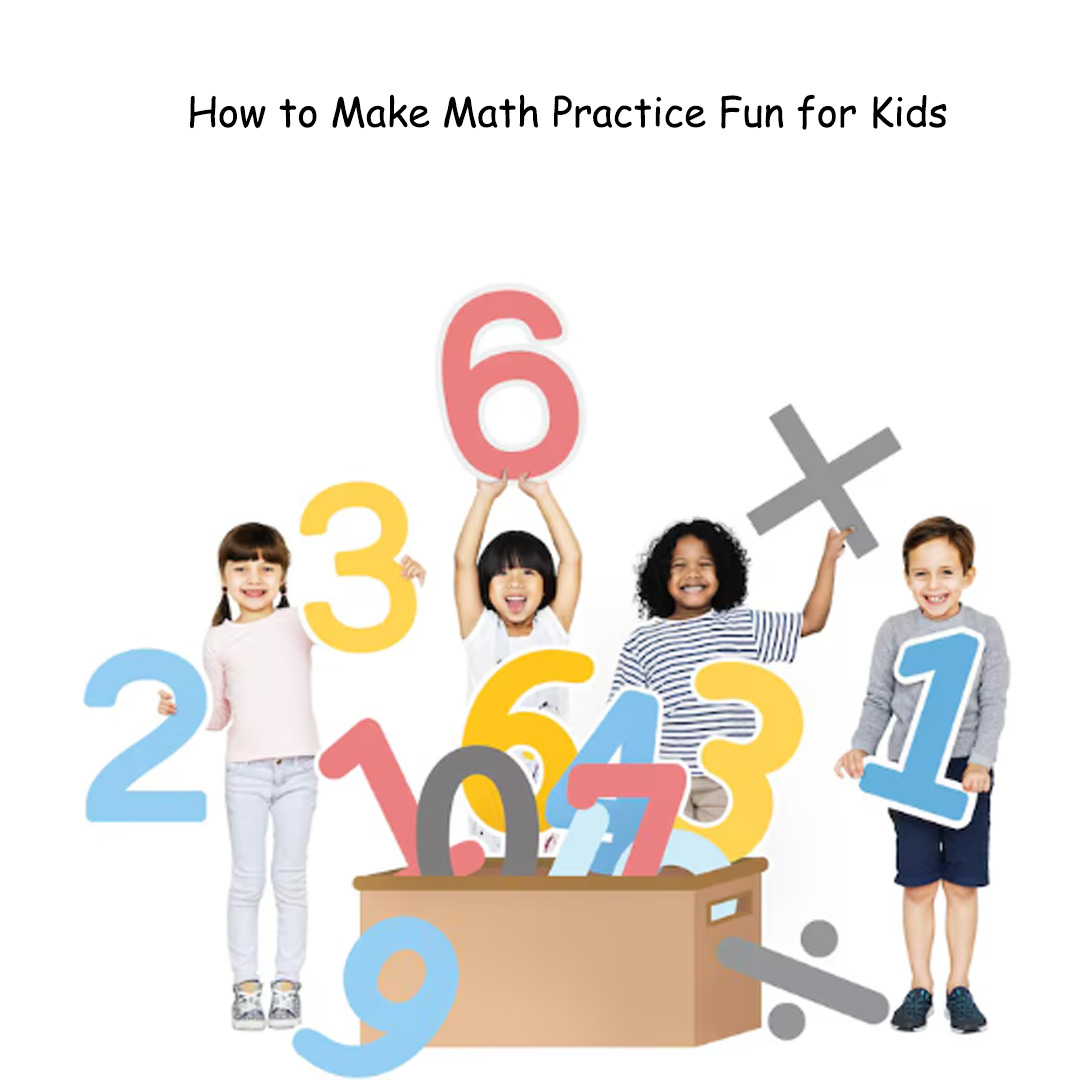
Math often gets labeled as a difficult or boring subject, but the truth is that with the right approach, it can become one of the most enjoyable learning experiences for children. Creating fun math practice for kids is not just about improving their academic performance—it’s about building confidence, curiosity, and a lifelong love for problem-solving. When math feels like play instead of pressure, children naturally become more engaged and willing to learn.
Turn Math into Games
One of the most effective ways to introduce engaging math activities is by turning practice into games. Children love competition, rewards, and playful challenges. Simple activities like math bingo, card games, or dice-based addition and subtraction can transform routine exercises into exciting experiences. Even classic board games can be adapted to include math elements, such as counting moves, calculating scores, or solving problems to advance. When kids associate math with fun and excitement, their resistance fades, and learning becomes more natural.
Use Real Life Situations
Another powerful method is to connect math with everyday life. Children often ask, “Why do I need to learn this?” Real-life applications answer that question effortlessly. For example, you can involve them in grocery shopping by asking them to calculate totals, compare prices, or estimate discounts. Cooking is another excellent opportunity, where kids can measure ingredients, understand fractions, and practice basic arithmetic. These fun ways to learn math make the subject practical and meaningful, helping children see its value beyond textbooks.
Incorporate Technology and Interactive Tools
In today’s digital age, interactive math learning has become more accessible than ever. Educational apps, online games, and interactive videos can make math visually appealing and engaging. Many platforms use colorful graphics, animations, and rewards to keep children motivated. However, it’s important to choose tools that balance entertainment with actual learning. When used wisely, technology can reinforce concepts and provide instant feedback, making practice both effective and enjoyable.
Encourage Hands-On Activities
Children learn best when they can touch, see, and explore. Hands-on activities are a great way to make math tangible. Using objects like blocks, beads, or even household items helps children visualize numbers and operations. For example, grouping objects can teach multiplication, while sharing items equally introduces division. Craft-based activities, such as creating patterns or measuring materials, also integrate math in a creative way. These activities not only strengthen understanding but also keep children actively involved in the learning process.
Make It Story-Based and Creative
Storytelling can be a powerful tool to make math more engaging. Instead of presenting problems as dry numbers, turn them into stories or scenarios. For instance, instead of saying “5 + 3,” you could frame it as “You have 5 apples, and your friend gives you 3 more—how many do you have now?” This approach stimulates imagination and makes problem-solving more relatable. You can even encourage children to create their own math stories, which boosts both creativity and comprehension.
Celebrate Effort, Not Just Results
A positive learning environment plays a crucial role in making math enjoyable. Instead of focusing only on correct answers, appreciate the effort and thinking process. When children feel safe to make mistakes, they become more willing to try and learn. Praise, small rewards, or even a simple “well done” can go a long way in building confidence. This supportive approach reduces anxiety and helps children develop a growth mindset toward math.
Create a Routine with Variety
Consistency is important, but repetition can become boring if not handled creatively. Establish a regular math practice routine, but keep it fresh by introducing different activities each time. One day could involve games, another could include real-life applications, and another might focus on digital tools. This variety keeps children interested and prevents monotony. A balanced routine ensures steady progress while maintaining enthusiasm.
Involve Social Learning
Learning doesn’t always have to be a solo activity. Group learning can make math more enjoyable and less intimidating. Encourage children to practice with friends, siblings, or classmates. Group challenges, quizzes, or team-based games can create a sense of collaboration and friendly competition. Social interaction not only makes learning fun but also helps children learn from each other’s perspectives.
Be Patient and Adaptable
Every child learns differently, and what works for one may not work for another. It’s important to observe your child’s interests and adapt your methods accordingly. Some children may enjoy visual activities, while others prefer hands-on or digital learning. Patience and flexibility are key to finding the right balance. When children feel understood and supported, they are more likely to engage positively with math.
Conclusion
Making math enjoyable is not about eliminating challenges but about presenting them in a way that excites and motivates children. By incorporating games, real-life applications, technology, and creativity, you can create fun math practice for kids that feels less like a task and more like an adventure. When children develop a positive relationship with math early on, they carry that confidence and curiosity into the future, making learning a truly rewarding experience.
To build a strong maths foundation in your child without worrying about how to teach your child from home with the comfort of home, join the Bambinos. live online Alpha Math classes and witness the beautiful journey of math learning with Bambinos. live.
Alpha Math offers a game-based learning experience with a unique four-step approach to mastering every concept in math. Schedule a Free Class Now