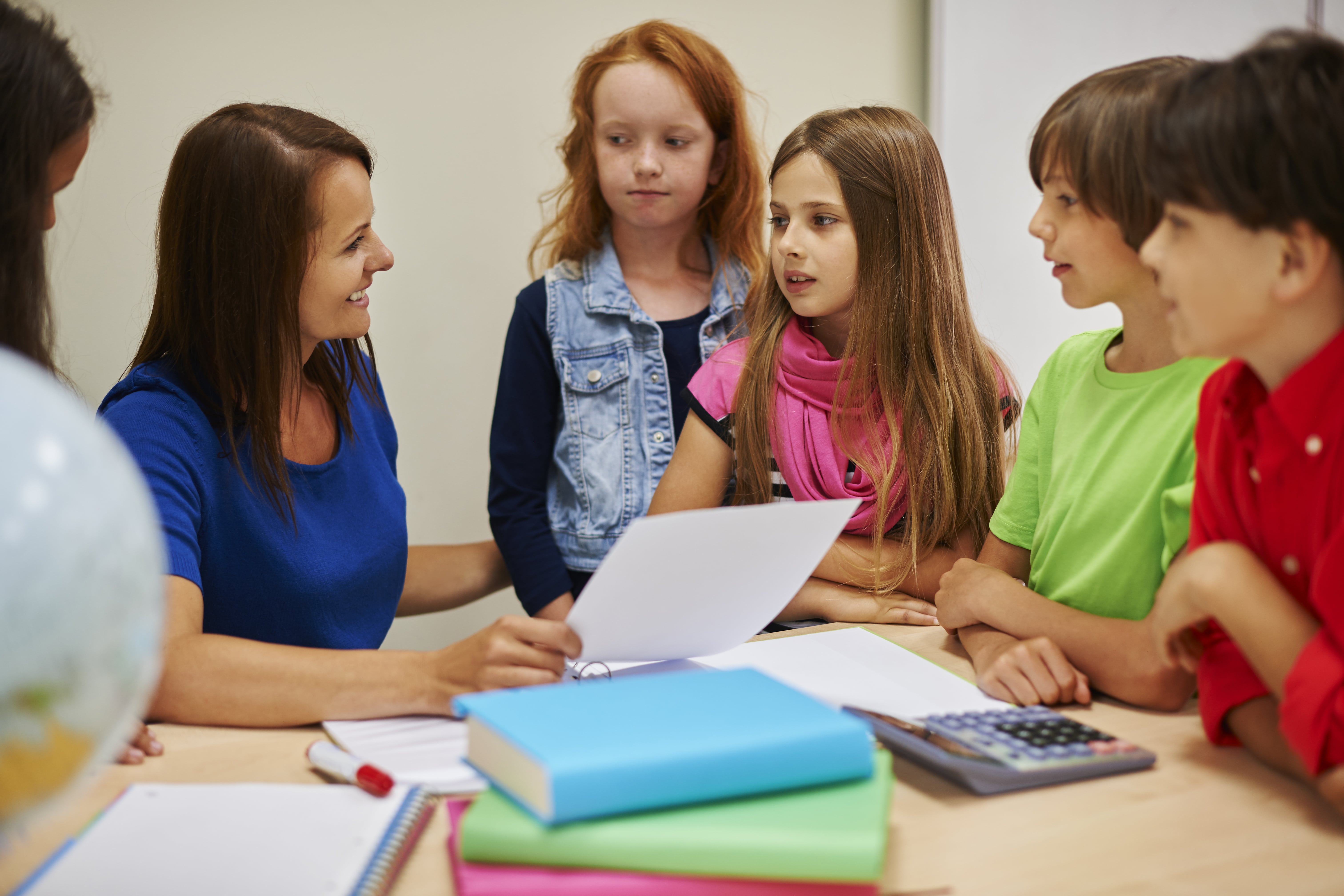
“Personality development” is a vague phrase. One centre uses it for public speaking, another for etiquette and grooming, and a third for a mix of drama, debate and group games. Before deciding whether personality development classes for kids are worth it, it helps to understand what they teach and whether the activities suit your kid’s age.
This guide covers both kids and teenagers because the needs of a six-year-old and a 15-year-old are very different.
What these classes usually cover
Most programmes work on a combination of these skills:
-
Speaking: Talking clearly to a group, answering questions, telling a story and presenting an idea.
-
Listening and conversation: Taking turns, asking follow-up questions and disagreeing politely.
-
Self-awareness: Recognising personal strengths, understanding what makes them nervous and noticing how they react under pressure.
-
Working with others: Taking part in group tasks, sharing responsibilities and handling situations where a teammate is not contributing.
-
Managing feelings: Calming down after a setback and handling nerves before a performance.
-
Everyday manners and presence: Greeting people, making eye contact, maintaining posture and introducing themselves.
A useful way to assess a class is to ask which of these skills kids practise in each session and how. “We build confidence” is not a clear explanation. “Every kid speaks for two minutes and receives one specific piece of feedback” gives you a better idea of what happens during the class.
How the focus changes with age
Ages 5 to 7: Comfort and expression
At this age, the main goal is helping a kid feel comfortable speaking in a group. Good classes use show-and-tell, simple stories, rhymes and short role-plays, such as pretending to order food at a restaurant. Sessions should be short and active.
Watch for whether your kid speaks a little more each week. Becoming confident does not have to happen within a month.
Ages 8 to 12: Structure and teamwork
Kids in this age group can start learning how to organise their thoughts. They can practise giving a talk with a beginning, middle and end, supporting an opinion with three reasons and taking part in a small group task.
They also become more aware of what their classmates think. A class where mistakes are treated as a normal part of learning can help them participate without worrying too much about getting everything right.
If your kid freezes at the thought of speaking in front of others, these ideas for helping a nervous kid through stage fright are a gentle place to start, alongside any class.
Typical activities include short speeches, debates on simple topics such as “Should homework be banned?”, group projects with assigned roles and storytelling with an unexpected ending.
Ages 13 to 17: Identity, judgement and real-world situations
Teenagers need a different approach, and many programmes designed for younger kids may not meet their needs. A teenager is working out who they are while handling exams, friendships, social media and early decisions about subjects and careers.
For this age group, a personality development class is worth considering when it covers situations they may actually face.
-
Presenting and answering questions: Class presentations, school interviews, competitions and future college interviews. Practising answers to unexpected questions can be more useful than rehearsing a prepared speech.
-
Disagreeing without falling out: Supporting an opinion during a discussion, changing their mind when given a good reason and saying no to friends when they feel pressured.
-
Making decisions: Weighing options, thinking about consequences and taking responsibility for the outcome, including when things do not go as planned.
-
Managing stress: Learning habits for handling exam pressure and performance nerves without expecting stress to disappear completely.
-
Communicating online: Understanding what their posts and messages say about them and learning to communicate respectfully in group chats.
Teenagers may also lose interest if a class feels like a lecture. Good programmes give them responsibilities, such as leading a discussion, guiding a younger student or planning a group event.
Some teenagers are naturally quiet, and that is not a problem to fix. A good class helps them speak up when needed without expecting them to become the loudest person in the room.
What a good class looks like
-
Every kid gets a turn: Each kid should have an opportunity to participate in every session. In a group of 25, many may barely get a chance to speak, so smaller groups can make a difference. Bambinos’ public speaking and English communication classes for ages 4 to 15, for example, run as small live groups online.
-
Feedback is specific: “Good job” is encouraging, but specific feedback gives kids something to work on. For example, “You looked up at the audience twice. Try doing it four times next week.”
-
Mistakes are normal: Nervous kids need to know that stumbling over a sentence is fine and that everyone makes mistakes while learning.
-
Progress is visible: Over a few months, you should be able to notice changes, such as a longer talk, a calmer start or a more complete answer to a question.
-
The teacher knows your kid: After a month, the teacher should be able to tell you what your kid finds easy and which skills they are working on.
Red flags
Look out for these signs when comparing personality development programmes:
-
Promises of dramatic change within a fixed number of weeks. Personality development takes time, and no teacher can guarantee a particular outcome.
-
Classes that focus mainly on lectures about confidence instead of giving kids opportunities to practise.
-
Large batches where your kid rarely gets a chance to participate.
-
Pressure to sign up for long packages before attending a trial class.
Questions to ask before you enrol
-
How many kids are in a batch, and how often does each kid speak during a session?
-
What does a typical session look like, minute by minute?
-
How do you support a kid who is very shy or one who tends to dominate group discussions?
-
How will I know whether my kid is making progress?
-
Is the programme different for teenagers, or do they follow the same activities as younger kids?
If the answers are vague, keep looking.
What helps at home
Classes work better when kids get opportunities to use these skills in everyday situations. A few simple habits can help:
-
Let your kid order their own food at a restaurant or ask for directions.
-
At dinner, ask for an opinion and a reason: “Which was better, the book or the film? Why?”
-
Give teenagers real decisions to make, such as planning a family day out within a budget.
-
Acknowledge effort out loud: “You were nervous, and you still put your hand up.”
Much of what personality development classes teach comes down to communication: speaking clearly, listening well and presenting ideas with confidence. Every kid grows at their own pace, and no class can promise a fixed timeline.
If you’d like to see how a session works with your kid, Bambinos offers a free first session.
About the Author

Anchal Sinha
AuthorAnchal Sinha is a highly motivated lady with an MBA in Finance and Marketing and has worked for three years in this field. After becoming a mother and carrying out the responsibilities of motherhood, she left her career. Thereafter, she planned to be a gratified writer and acquired three years of content writing experience till now. She also worked as a teacher in a school and a retail trainer at ICA Edu Skills Pvt Ltd. Taking forward this experience, she started working as a phonics educator at Bambinos Live. She put in all the efforts to engage kids in her classes. Seeing kids enjoying her class and participating in activities motivates her to work with full vigour. This made her competent to work in altering environments. She puts her 100% into whatever she makes up her mind to pursue. With these potentials, she desires to flourish in anything and everything.
LinkedIn Profile ↗